Semester of Immersion: Spring 2026 – Biology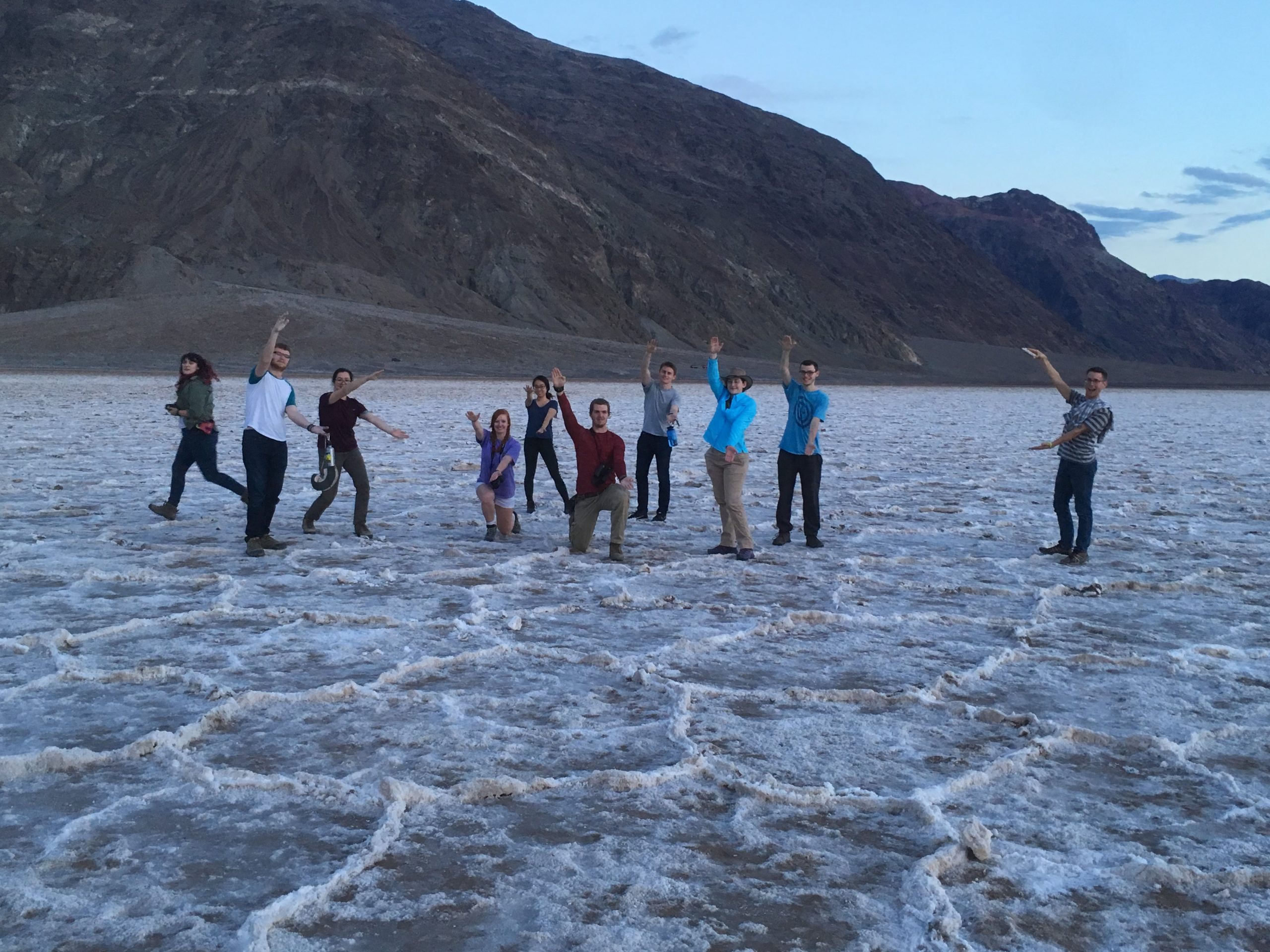
The Biology Department is excited to announce that it has 13 courses to offer in our Spring 2026 Semester of Immersion! This immersive experience has three 5-week sessions, during which students will focus entirely on a single immersion course. Each session has four to five course options encompassing different subfields of biology.
This opportunity is open all students, regardless of college or major, however the prerequisites are BSC2010/L and BSC2011/L.
Each immersion course is 4 credits. One course per session is recommended, for a total of 3 courses, which would equal 12 credits for the semester. Generally, taking additional classes outside of the immersion courses is not recommended. Registering for all 3 sessions is not required, but will only be accommodated in special circumstances.
There will be 8 scholarships of $500 available to students with financial need to help finance the costs of the immersion courses. Approximate costs, which will appear as “student fees” in your account, are listed with each course description below. Scholarship applications are attached to the Qualtrics link below.
The deadline for ALL applications is Sunday, September 21st at 11:59pm.
Click here to apply: https://ufl.qualtrics.com/jfe/form/SV_afVspJIkmvu654G
You will be asked to provide a resume on the application.
*Please note: instructors may ask for an interview in addition to your application.*
Session 1 (1/12/26-2/11/26)
BSC4364C Field Ecology & Data Analysis
Syllabus
Instructor: Dr. Jeremy Lichstein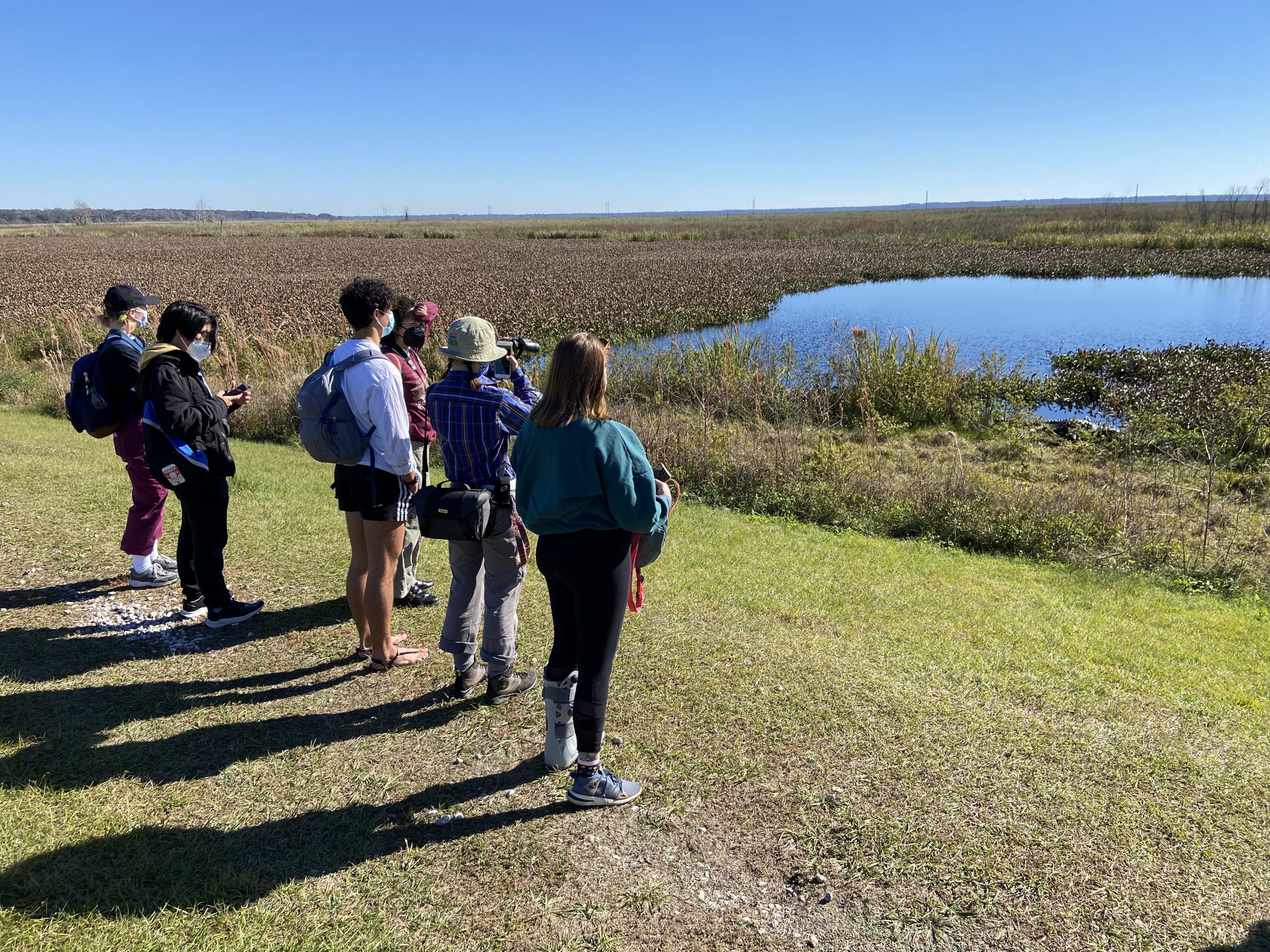
In this course, students gain experience collecting and analyzing ecological field data. Students are introduced to computer coding, data analysis, and data visualization using R software, the most widely used computational platform in ecology and many other fields of science. The course includes elements of dendrology, local flora, plant ecology, wildlife ecology, statistics, and data visualization. Both beginning and advanced students will benefit from working together in this class. The course is organized around three class projects at field sites in or near Gainesville.
- Forest structure and diversity (and how these have changed over time) at the Natural Area Teaching Laboratory (NATL) on the main UF campus.
- Bird Habitat relationships at Sweetwater Wetlands Park.
- Effects of prescribed fire on longleaf pine seedling survivorship at UF’s Ordway-Swisher Biological Station.
Estimated course fees per student: $17-36 (TBD)
What’s included in the course fees:
- Day Trip Travel in department van
- Materials for tree tagging
What’s NOT included in the course fees:
- Tuition cost for 4 credits
- Meals
PCB4917 Microbiomes of Animals and Ecosystems
Syllabus
Instructor: Dr. Christopher Dutton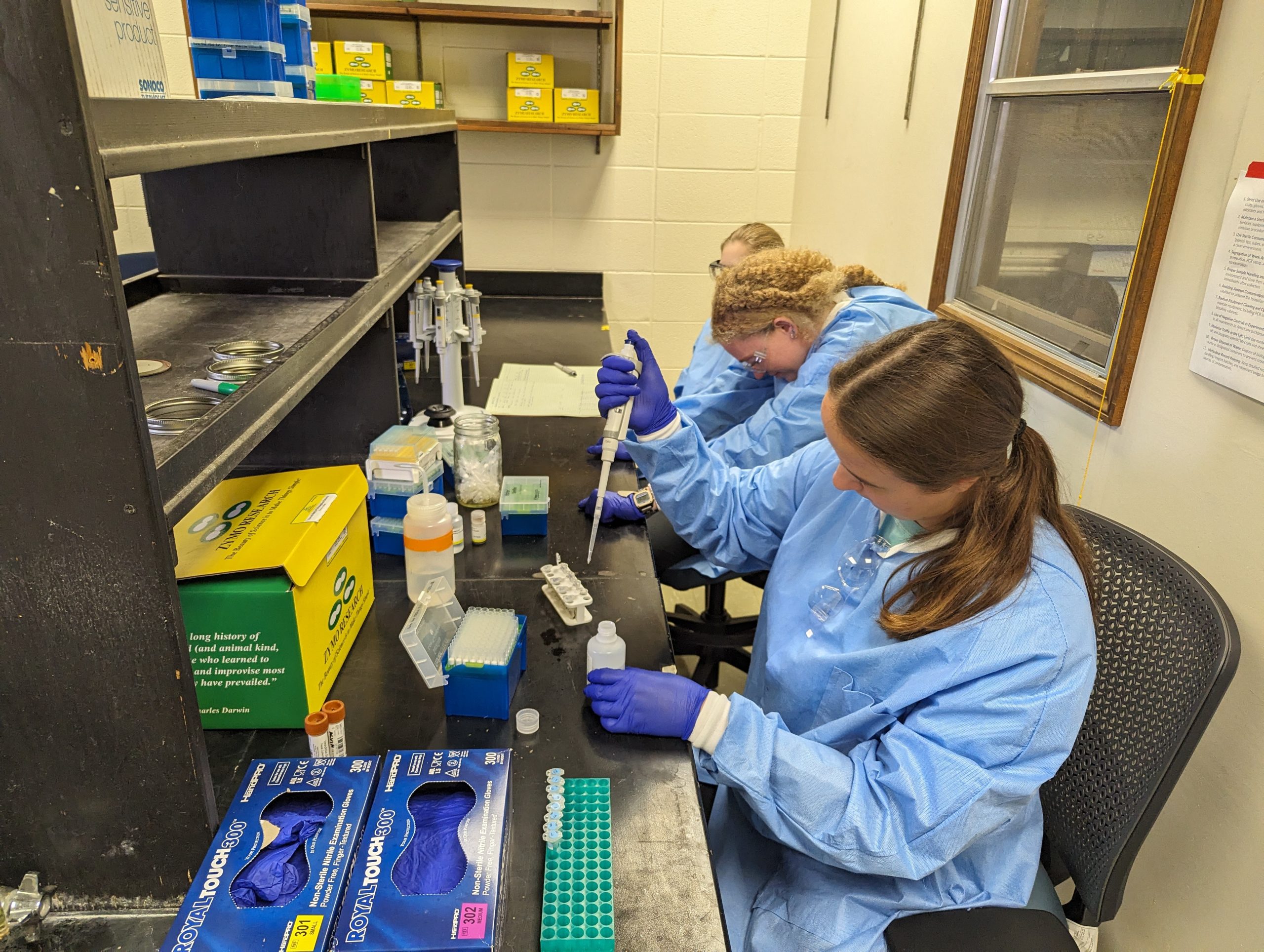
In this skills-based course, our ultimate goal is to learn about the interactions between animal and environmental microbiomes. We will focus on exploring the following questions:
- Why do different animals have different microbiomes and how does this relate to their diet?
- How do wild and captive animal microbiomes differ and what are the conservation implications?
- How does the environment structure an animal’s microbiome?
In this class, we will learn about how to conduct a basic microbiome study using captive Zoo animals of conservation concern. As part of this, we will work with Zoo staff to identify interesting questions related to captive animal microbiomes, collect samples, extract DNA, prepare sequencing libraries, then sequence the samples to reconstruct the microbiomes of the animals and their immediate environment. This course will involve the use of HiPerGator and the R statistical programming language. The final project of the course will be a full workflow documented in R markdown and a brief presentation to the Zoo staff. This course will involve several trips to a Zoo and developing a working relationship with the Zoo staff. The course will primarily be held of UF’s main campus with several day-long field trips.
Estimated course fees per student: $500
What’s included in the course fees:
- The reagents for the robots for DNA extractions
- The reagents for making sequencing libraries
- The flow cells to sequence DNA
- Vehicle transportation to the captive animal facilities
- Pipette tips for the students and robots
- Other laboratory consumables
What’s NOT included in the course fees:
- Tuition cost for 4 credits
- Meal costs
PCB4917 Precision Modeling of Human Genetics Diseases in the Model Organisms
Syllabus
Instructor: Dr. Xiaofei Bai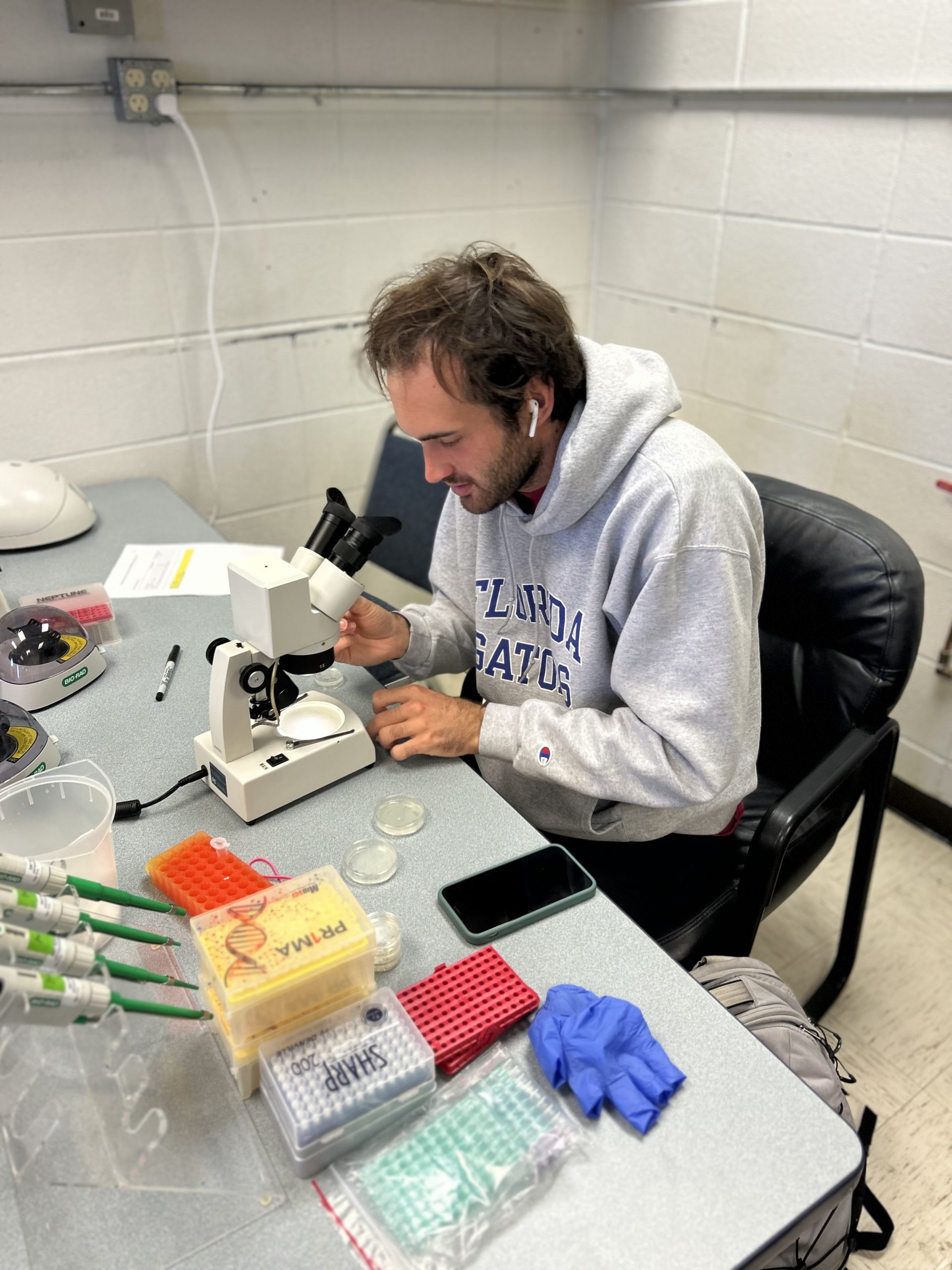
Over 10,000 rare (or orphan) diseases have been identified in humans, approximately 80% of which are associated with a single gene, while the molecular mechanisms underlying most of these diseases remain elusive, and effective treatments have not been clearly defined and developed. This immersion course offers hands-on experiences using the nematode model system Caenorhabditis elegans, which shares approximately 3,000 disease-associated genes. Students will learn fundamental genetics and cell biology concepts while designing and applying the powerful CRISPR/Cas9 gene-editing technique to establish precision disease models in C. elegans. Students will gain experience in basic molecular and cell biology techniques, including genotyping the variants in C. elegans by PCR and restriction enzyme digestion, usage of light microscope and maintaining and handling C. elegans strains
NOTE: Students must complete PCB 3063 or an equivalent course to enroll in this course
Estimated course fees per student: $170
What’s included in the course fees:
- All laboratory materials and reagents
What’s NOT included in the course fees:
- Tuition cost for 4 credits
ZOO4405 Sea Turtle Biology & Conservation (3 credits)/ZOO4956 Overseas Studies in Zoology (1 credit)
Syllabus
Instructors: Dr. Hannah Vander Zaden and Sadie Mills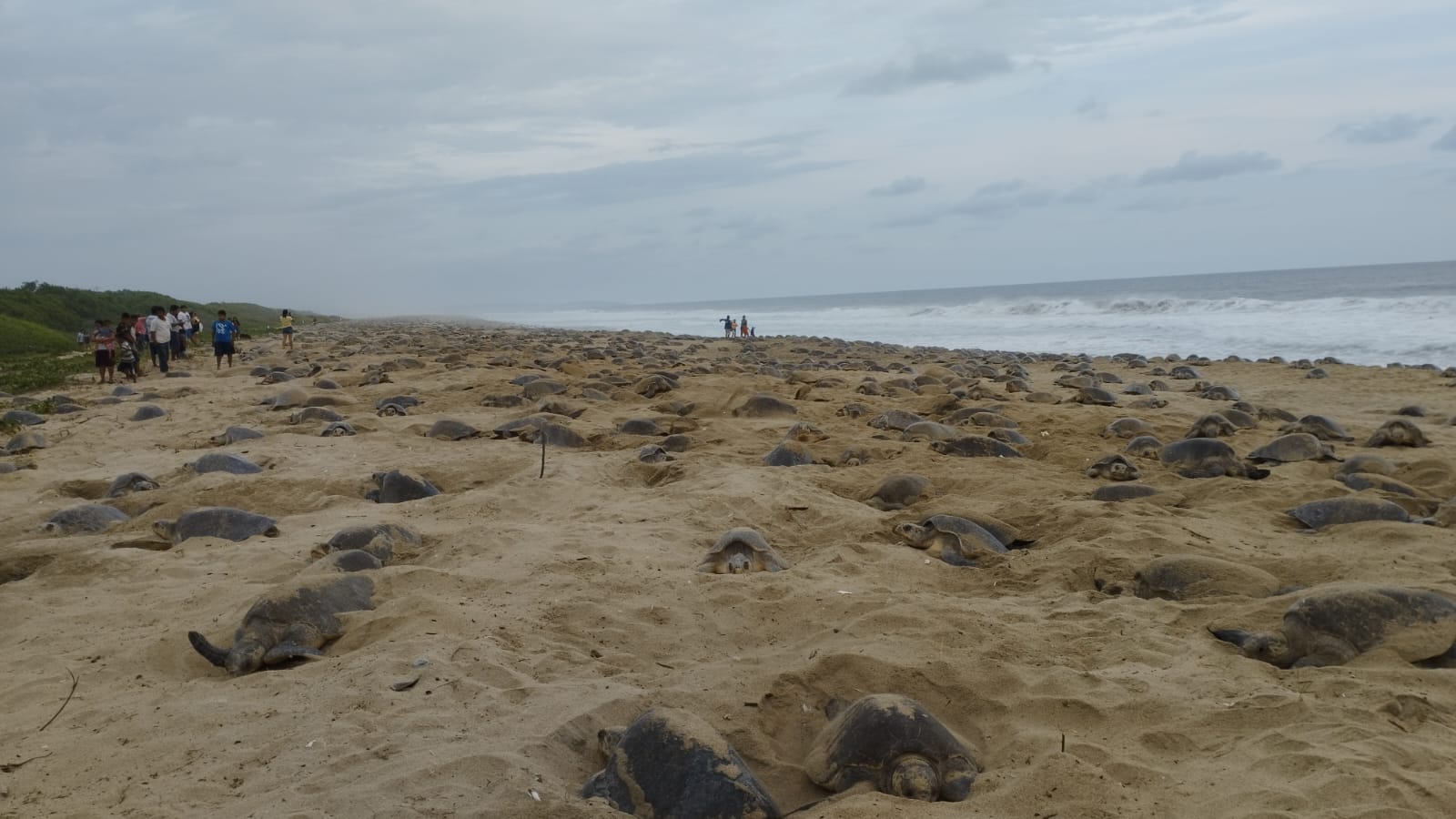
*NOTE: This is an international course and will require a valid passport*
Sea Turtle Biology and Conservation in the immersion format combines the study of sea turtle biology with science communication. This program will include an international trip
(approximately nine days in length) to Escobilla, Mexico, where students will work alongside local scientists at the Centro Mexicano de la Tortuga (CMT, Mexican Turtle Center). Escobilla Beach is a globally significant site for olive ridley sea turtle nesting and provides an unparalleled setting for students to engage in experiential learning, apply field monitoring techniques, and explore the ecological and cultural dimensions of conservation biology. Students will delve deeply into key issues in sea turtle biology through primary literature, hands-on research, and lab-and field-based activities. The proposed course objectives are to:
- Analyze current major issues in sea turtle biology
- Explain and apply sea turtle nest monitoring protocols
- Describe how stable isotope approaches can be used to study sea turtle biology
- Gain experience in lab methods by contributing to real-world research funded by an NSF CAREER grant
- Augment global awareness of challenges and opportunities in sea turtle conservation, (6) explore science communication techniques (e.g., storytelling, metaphors, social math)
- Create a science communication product for public audiences (e.g., video, StoryMap, social media content) to spotlight sea turtle research, to be shared during World Sea Turtle Month.
1 credit of tuition is included (for the week spent in Mexico) and 3 credits of tuition (for the time on campus) is NOT included
Estimated course fees per student: $5090 + 73.16 (domestic excursion).
Session 2 (2/12/26-3/20/26)
*Week off for Spring Break included*
PCB4460 Microbial Life in the Oceans
Syllabus
Instructor: Dr. Byrndan Durham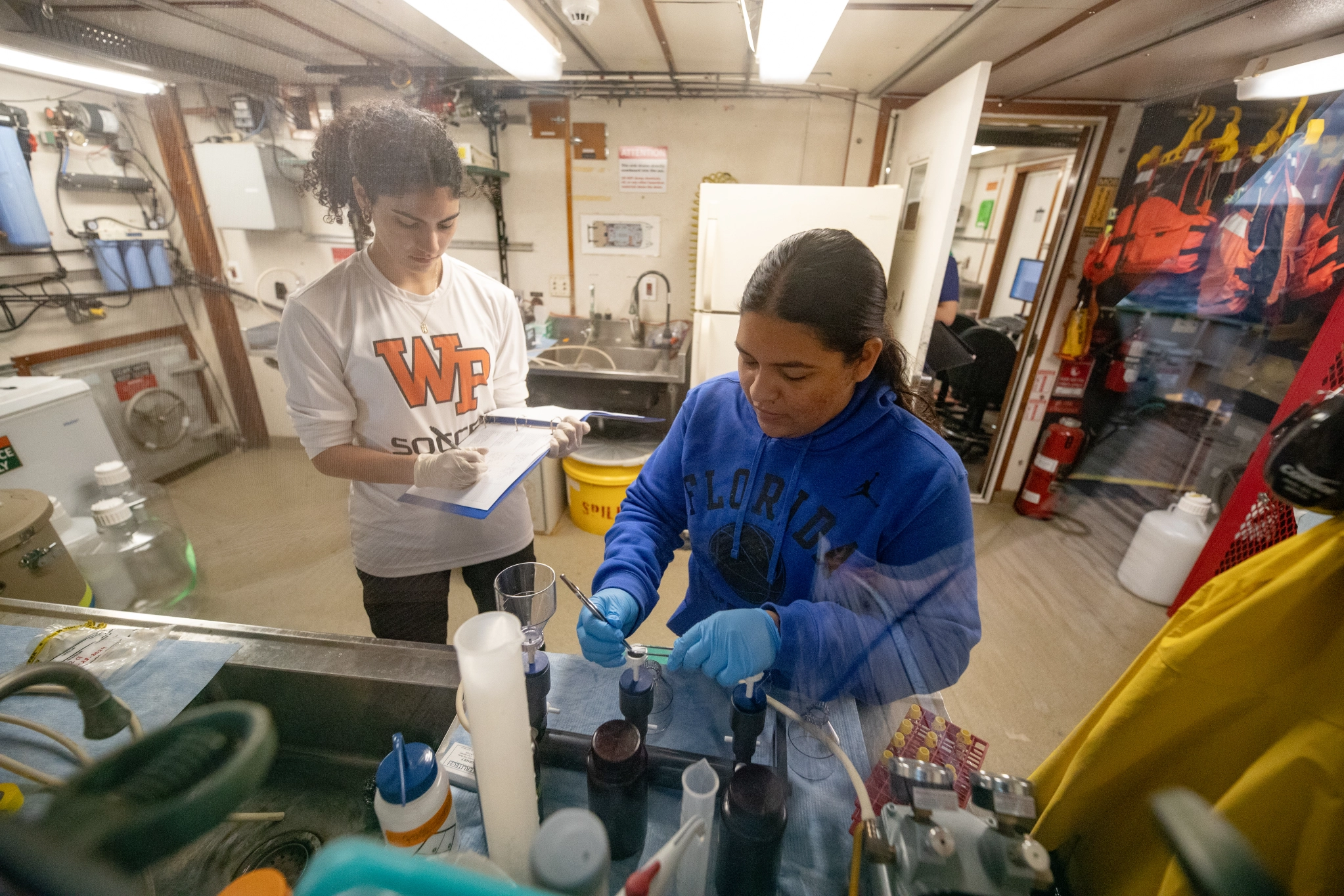
Welcome to the world of ocean microbes! There are about 1 million microbial cells in every drop of seawater. These microbes form the base of the ocean food webs and carry out our vital ecosystem services. Our understanding of the marine microbial world has rapidly expanded with the use of innovative molecular and chemical tools to uncover previously hidden taxonomic diversity, spatiotemporal distributions, and novel metabolic functions. In this course, students will gain exposure to these emerging research tools and investigate marine microbes on molecular to biogeochemical scales. The course will focus on diversity and dynamics of plankton metabolism in topics that may include marine biogeochemistry (e.g. primary production, organic matter), marine microbe classification (e.g. microscopy, DNA sequencing), and metabolite identification (e.g. metabolomics). Students will take part in field sampling and carry out wet bench techniques and data analysis at UF.
Estimated course fees per student: $900
What’s included in the course fees:
- All materials and supplies for research
- Accommodations while Traveling
- Transportation to and from field sites
What’s NOT included in the course fees:
- Tuition cost for 4 credits
- Personal meals with traveling (max 5 days)
PCB4917 Principles and Applications of Cell-Free-Gene Expression
Syllabus
Instructor: Zhanar Abil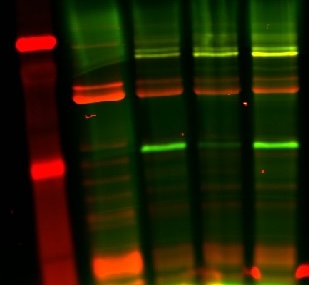
Synthetic biology aims to design and build new-to-nature biological systems that can do useful things, such as designing and testing new drugs, improving disease diagnostics, sensing and cleaning up environmental pollution, or producing industrially relevant chemicals. Synthetic biology can also be exploited to construct minimal artificial cells from the ground-up, giving us insight into how living cells work.
With the invention of cell free gene expression systems, we can now engineer and explore synthetic biological systems outside of the confinement of complex living cells. This technology allows researchers to simplify and speed up the design, building, and studying minimal biological systems. The technology is useful for studying complex biological phenomena in minimal, controlled environments.
This molecular biology-oriented immersion course will give you hands-on experience using cell-free gene expression systems. Working in a molecular biology lab on the UF campus, you will visualize the central dogma of molecular biology, produce and purify recombinant proteins, and design minimal cell-free biosensors to detect environmental contaminants from water sources around Gainesville, FL. You will also get experience with basic molecular biology techniques, such as polymerase chain reaction, gel electrophoresis, and fluorescence plate reading. Finally, you will learn to efficiently communicate your experimental design, results, and analysis to your peers.
NOTE: PCB 3063 or an equivalent course is recommended prior to enrolling in this course.
Estimated course fees per student: $700
What’s included in the course fees:
- All laboratory materials and reagents
What’s NOT included in the course fees:
- Tuition cost for 4 credits
PCB4460 Desert Biodiversity
Instructor: Dr. Norman Douglas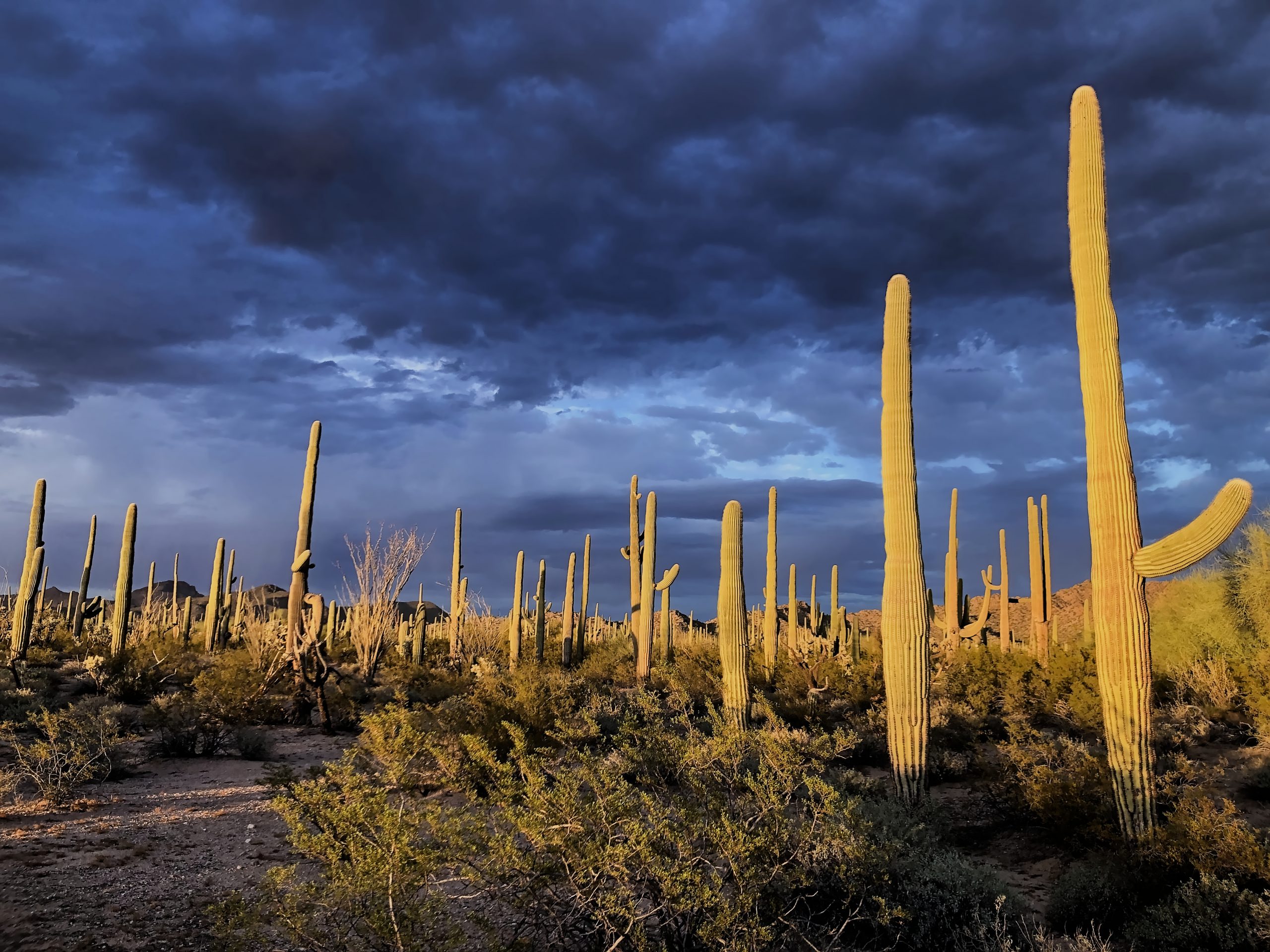
We often imagine deserts to be desolate wastes of sand and rock, but in reality, they are home to thousands of interesting and unique species of plants and animals with incredible adaptations to survive extreme conditions. This course is designed to let students experience the excitement of making their own discoveries in natural history, while cultivating concrete field skills in finding, observing, identifying and documenting species of plants and animals in the wild. We learn about different desert habitats, adaptive behaviors, and ecosystem-level processes unique to dry environments, and examine ecological impacts resulting from human activity.
We begin in Gainesville, where we prepare for the field by learning about conspicuous plants and animals, desert adaptations, and ecology and global distribution of deserts. We begin mini-projects to explore the tools and practice of biodiversity science and scientific natural history, including community science and big-data approaches to synthesizing knowledge of wild organisms. In the field, these new skills are practiced in areas that showcase the diversity of desert life, including Death Valley National Park, Joshua Tree NP, the Anza-Borrego Desert, Organ Pipe Cactus National Monument, and Grand Canyon National Park, along with rarely visited sites that conserve essential landscapes and wildlife on a vast scale. Emphasis is placed observing the biota, asking original questions related to desert organisms, understanding their adaptations to withstanding and avoiding the inherent challenges of desert life, along with those brought on by humans.
Estimated course fees per student: $950
What’s included in the course fees:
- Travel by van once in in the field
- Park admissions
- Lodging
- Field station fees
What’s NOT included in the course fees:
- Tuition cost for 4 credits
- Meals
- Airfare roundtrip to Las Vegas, NV
Invertebrate Biodiversity on Coral Reefs
Instructor: Dr. Gustav Paulay
*NOTE: This could be an international course and may require a valid passport*
This graduate and undergraduate course uses the rich marine life of coral reefs to investigate animal organization, evolution, and biodiversity. Students will explore reef and near-reef communities to learn about marine biodiversity and ecology. You will learn how to recognize and identify the major groups of marine animals, how they are organized and function, and their evolutionary history and ecological roles. About four weeks at field sites in San Salvador (Bahamas), Curacao, or Florida, and one week in Gainesville.
Estimated course fees per student: $2,500-3000
What’s included in the course fees:
- Accommodation
- Field activities
- Materials
- Local transportation
- Most meals (students could be responsible for breakfast)
- Field station fees
What’s NOT included in the course fees:
- Tuition cost for 4 credits
- Airfare roundtrip to Curacao or San Salvador, Bahamas
Session 3 (3/23/26-4/22/26)
PCB4460 Marine Ecology
Syllabus
Instructor: Dr. Melissa Meadows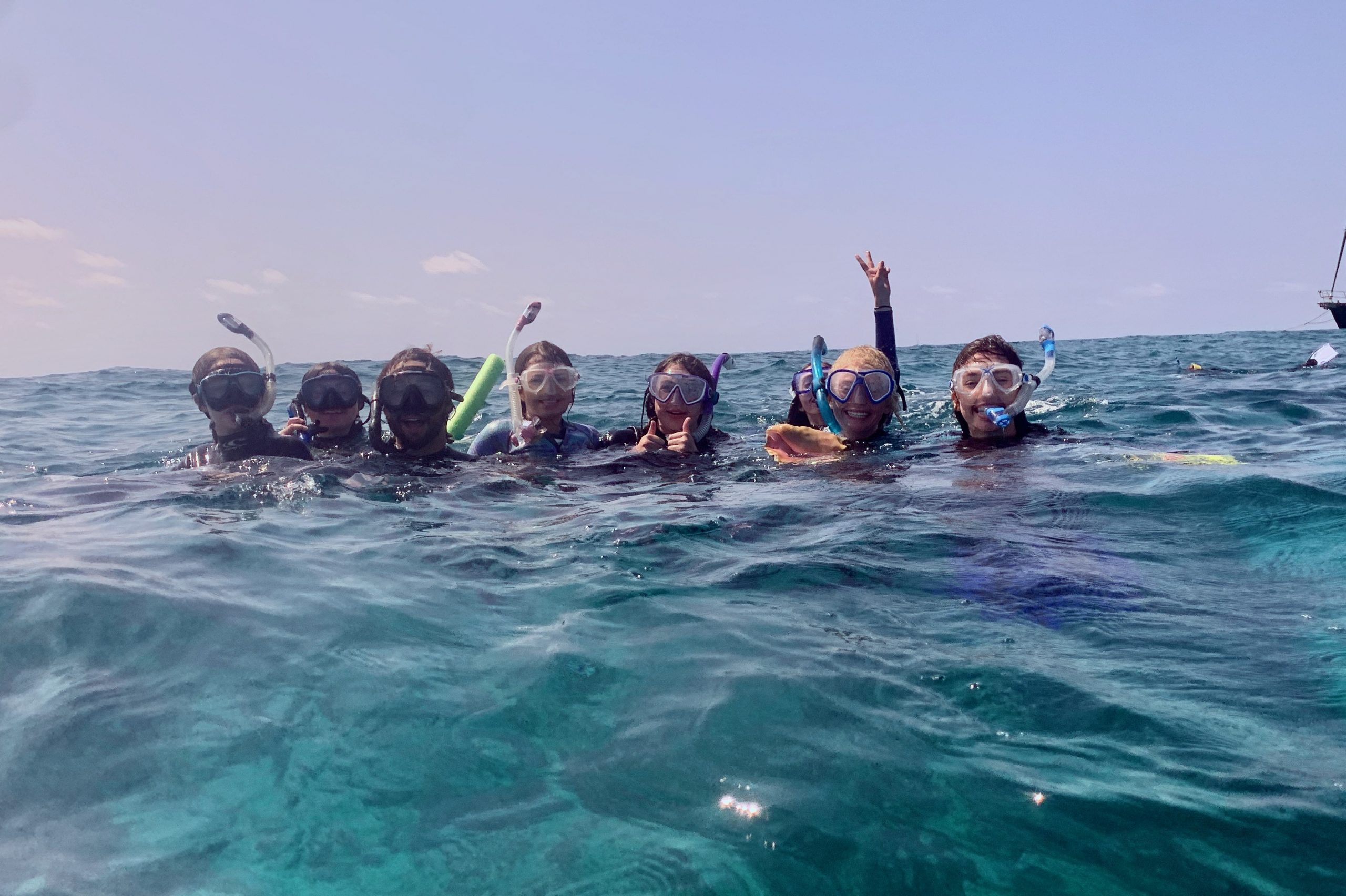
This course will take advantage of the wide array of marine habitats in Florida as the perfect backdrop to explore marine ecology. We will explore organismal biodiversity, adaptations, and interactions during field trips to the Whitney Laboratory for Marine Bioscience, the Nature Coast Biological Station Seahorse Key Marine Lab, the Florida Keys (Keys Marine Lab), and the Dry Tortugas. A comparative approach will be applied to our explorations of the Gulf and Atlantic coasts of Florida, habitats more and less impacted by human activities, rocky vs. mudflat intertidal zones, salt marshes vs. mangroves, the reefs of the northern Keys vs. the Dry Tortugas, sea grass beds, oyster beds, and more! This course will involve a few days of work on campus and 3 field trips with a couple of free days in between each. Students will design a research project proposal before the first field trip and carry out field research at each site while learning research methods in marine ecology. You will also keep a detailed field notebook containing your observations of habitats and species encountered at each field site.
Estimated course fees per student: $2570
What’s included in the course fees:
- Accommodations for 18 nights during field trips (dorms/rental house)
- Activities including trawling, taking the ferry to Dry Tortugas National Park, boating, snorkeling, kayaking, visiting John Pennekamp State Park, learning to frag corals with Mote Marine Lab, visiting REEF and conducting fish surveys, a fun day trip to Key West, and more!
- Underwater data sheets for data collection
- Transportation to field sites in Biology department vans (short trips) or rental vans (Keys trip) including fuel, tolls, and parking fees
- A shared grocery budget for preparing meals (lunch and dinner) together on field trips ($14/ student/ day for 20 total days)
- Field station fees for facilities use and staff support at Seahorse Key Marine Lab, Whitney Lab, and Keys Marine Lab
What’s NOT included in the course fees:
- Tuition for 4 credits
- Required mask, fins, snorkel, and (recommended) wetsuit (can be purchased or rented through UF Rec Sports) for the 2 weeks in the Keys
- Required tall rain/mud boots or (optional) waders
- Accommodation in Gainesville in between field trips
- A few restaurant meals while traveling to the Keys and when visiting Key West
- Recommended field guides
- Optional spending money for souvenirs, additional meals out, activities in Key West
PCB4460 Freshwater Ecosystems of Florida
Instructor: Dr. Amanda Subalusky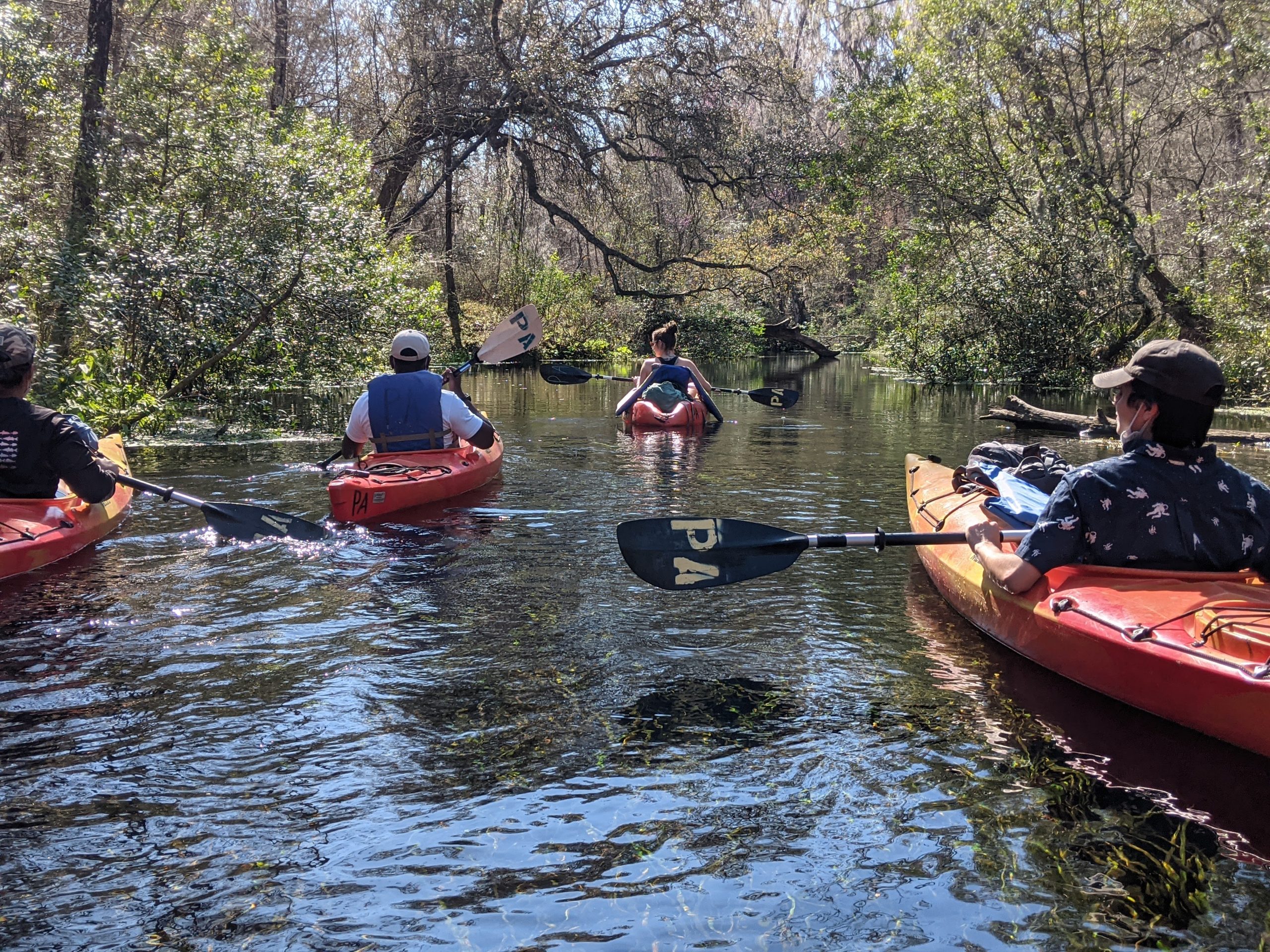
Florida is often known for its beaches and coastal areas, but it is also home to wetlands, streams, and rivers, as well as the largest concentration of freshwater springs in the world. This course will explore the beautiful and unique freshwater ecosystems of Florida.
We will start the course by learning about watershed hydrology and the hydrological, biogeochemical and ecological roles of freshwater ecosystems. Then we will visit and collect data from a range of freshwater ecosystems that cross the river continuum. We will start in the small streams and wetlands that comprise the “wetlandscapes” of Florida. These wetlandscapes play an important role in nutrient and carbon cycling, and they provide important habitat for a range of invertebrates, fish, amphibians, and reptiles. We will then kayak down the Ichetucknee River, visiting one of the blue hole springs that provides water directly from the Floridan Aquifer. We will then follow these waters downstream to the Santa Fe River and its many springs and finally the Suwannee River, which flows into the Gulf. These rivers are home to abundant fish, turtles, alligators, manatees, birds, and other fauna. Along this continuum, we will observe changes in water quantity and quality, biogeochemistry, microbial communities, flora and fauna, and socioeconomic uses.
Throughout the course students will participate in sample and data collection in the field, lab work and sample analysis, and data analysis. Students will gain hands-on experience with a range of aquatic ecology methods, including automated sensors, sediment coring, faunal surveys, carbon and nutrient sampling and analysis, microbial sequencing and analysis, and data analysis and synthesis.
Estimated course fees per student: $315
What’s included in the course fees:
- All laboratory materials and reagents
What’s NOT included in the course fees:
- Tuition cost for 4 credits
PCB4460 Parasite Biodiversity
Syllabus
Instructor: Dr. Nick Keiser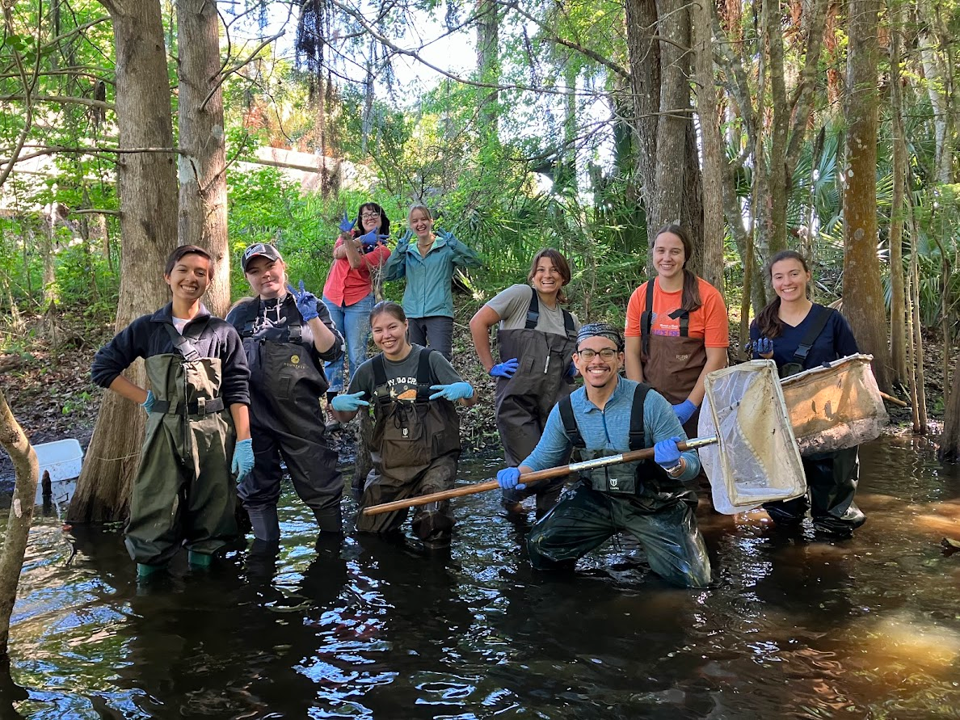
Parasites are diverse and ubiquitous across every ecosystem on the planet. This course uses a hands-on approach to the study of parasite biodiversity across different hosts and environments. We will use lab space on UF’s campus and several day trips and overnight field trips to habitats around Florida: coastal marine/estuarine, wetlands, Florida scrub, and forests. We will visit biological field stations, research facilities, biodiversity collections, and state parks. Students will also read primary literature in the fields of parasitology and disease ecology as a group. Students will work in groups to develop research projects using a diversity of tools to discover and identify parasites in a host of their choosing.
Estimated course fees per student: $250
What’s included in the course fees:
- Transportation and lodging in Tampa
- SF Teaching Zoo admission
- Meals during travel
- Field materials
What’s NOT included in the course fees:
- Tuition cost for 4 credits
PCB4917 Molecular and Genetic Responses to Environment Stress
Instructor: Dr. Keith Choe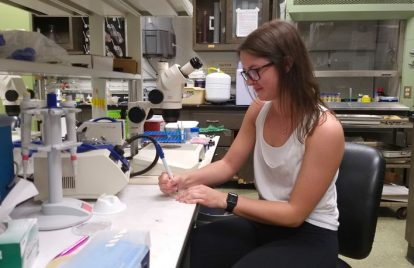
Natural and man-made changes in the environment can put tremendous stress on the ability of organisms to maintain homeostasis affecting human health, agriculture, and biodiversity. We will explore fundamental principles of cellular homeostasis and learn modern molecular and genetic research tools that are revealing insights into how cells detect environmental stress and activate protective genes and proteins.
Students will participate in classroom discussions, conduct authentic genetic and molecular lab work, and summarize results in short written and oral presentations. Experiments will be limited to non-vertebrate organisms including the model nematode Caenorhabditis elegans.
Estimated course fees per student: $150
What’s included in the course fees:
- All laboratory materials and reagents
What’s NOT included in the course fees:
- Tuition cost for 4 credits
ZOO4485 Marine Mammal Biology
Syllabus
Instructor: Dr. Stefanie Gazda
 Syllabus
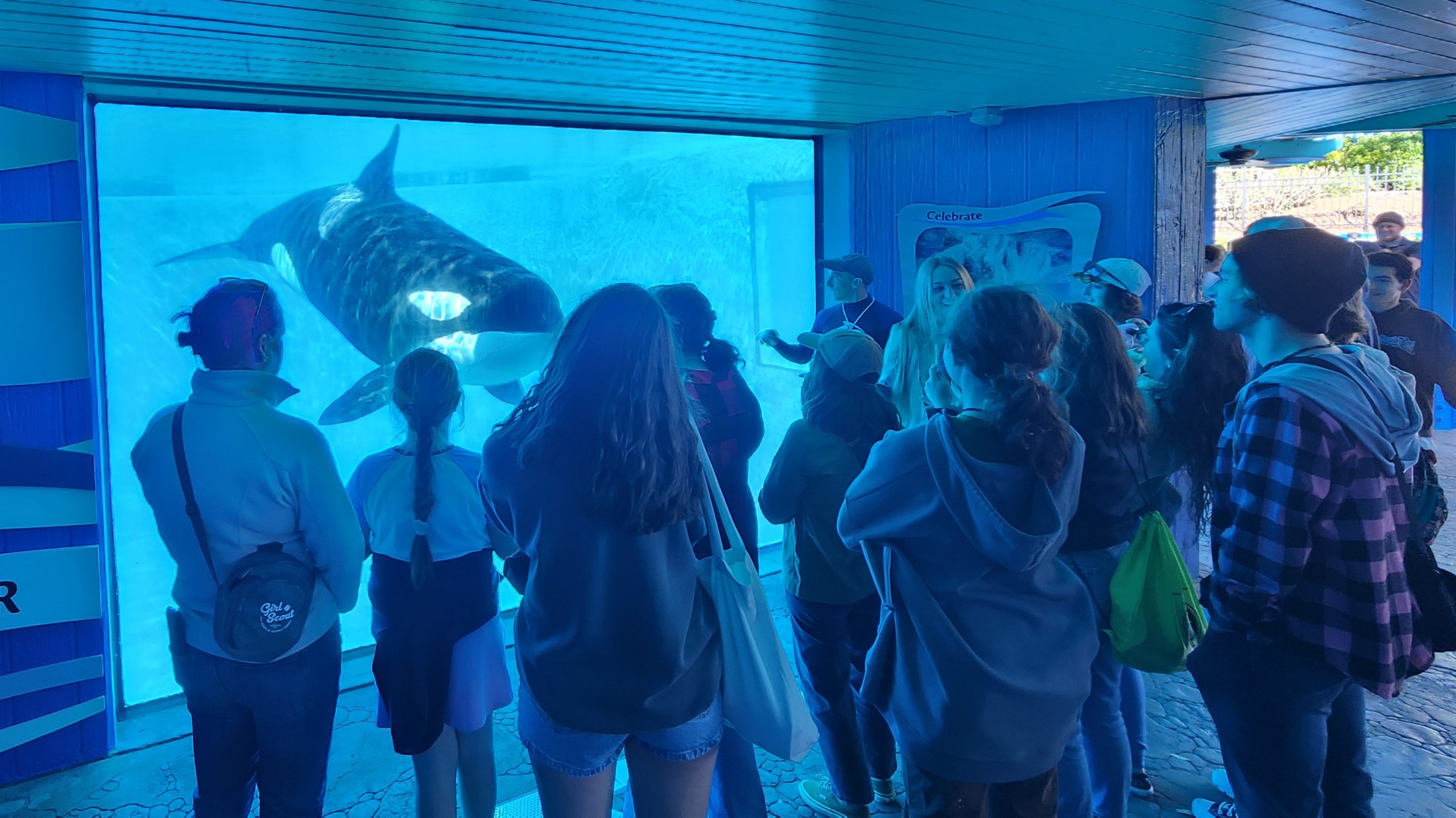
This course will provide an understanding of a charismatic group of species, the marine mammals (cetaceans, pinnipeds, sirenians, sea otters and the polar bear), including evolutionary biology, physiology (locomotion, diving, thermoregulation, osmoregulation, reproduction), ecology (foraging/feeding behavior, distribution and habitat use, population dynamics), conservation and management.
There will be several field trips throughout the course to coastal areas and facilities where marine mammals can be seen in person. Students will participate in lectures, classroom discussions and laboratory work (digital as well as dry). Students will be expected to design a behavioral research project that will be conducted by observing a marine mammal species of their choice at Sea World.
Estimated course fees per student: $600
What’s included in the course fees:
- Transportation and two days admission to SeaWorld
- Lodging in Orlando
- Transportation and admission to ZooTampa
- Transportation to Cedar Key
What’s NOT included in the course fees:
- Tuition cost for 4 credits
- Meals